



Achilles tendonitis is a common overuse injury that affects the tendon connecting the calf muscles to the heel bone. It often develops gradually due to repetitive strain, excessive running, jumping, or poor footwear. Left untreated, it can progress to partial tears or chronic pain, significantly affecting mobility. In-home Achilles tendonitis recovery, guided by calf specialists, focuses on reducing inflammation, strengthening the tendon, and restoring functional movement safely.
For professional advice and structured recovery strategies, you can access resources through 출장.
Understanding Achilles Tendonitis
The Achilles tendon is the strongest tendon in the body, but it is susceptible to overuse injuries. Tendonitis occurs when repeated stress exceeds the tendon’s capacity to repair itself, leading to inflammation, swelling, and microtears. Symptoms typically include:
-
Pain and stiffness in the back of the heel, especially in the morning
-
Swelling or thickening of the tendon
-
Tenderness when pressing on the tendon
-
Pain that worsens with activity, such as walking or running
Early recognition and intervention are critical to prevent progression to more severe injury.
Causes and Risk Factors
Achilles tendonitis often develops due to:
-
Sudden increases in running or training intensity
-
Jumping-intensive sports, such as basketball or dance
-
Tight calf muscles or poor flexibility
-
Inappropriate footwear lacking heel support
-
Biomechanical issues, including flat feet or overpronation
Individuals with a history of lower limb injuries or limited ankle mobility are at higher risk.
Licensed Calf Specialist Approach
Calf specialists focus on reducing tendon strain, promoting healing, and restoring calf strength. A professional in-home recovery program may include:
1. Rest and Load Management
-
Avoid high-impact activities that exacerbate pain
-
Use supportive shoes or heel lifts to reduce strain
-
Temporary reduction in running or jumping intensity
2. Ice Therapy and Pain Control
Applying ice to the tendon for 15–20 minutes several times daily helps reduce inflammation. Anti-inflammatory measures may also be recommended by a licensed provider.
3. Stretching and Flexibility Exercises
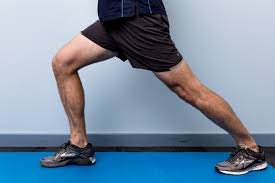
Gentle calf stretches improve tendon mobility:
-
Wall calf stretch (gastrocnemius)
-
Bent-knee calf stretch (soleus)
-
Achilles tendon mobilization exercises
Consistency is key, but over-stretching should be avoided during acute inflammation.
4. Strengthening and Eccentric Training
Eccentric exercises — lengthening the calf muscles under load — are highly effective for tendon recovery:
-
Heel drops on a step, slowly lowering the heel below step level
-
Controlled calf raises, progressing gradually in intensity
Strengthening improves tendon resilience and reduces the risk of recurrence.
5. Balance and Functional Training
Balance and proprioception exercises restore normal foot and ankle function:
-
Single-leg stands or mini-squats
-
Use of balance boards or cushions
-
Functional movement patterns mimicking daily activities
These exercises help stabilize the ankle and calf, distributing load more effectively.
Supportive Footwear and Orthotics
Proper shoes and orthotic support are essential for in-home recovery:
-
Cushioned heel and forefoot areas
-
Arch support to correct overpronation
-
Avoiding worn-out or flat-soled shoes
Custom orthotics may be recommended for biomechanical correction.
Gradual Return to Activity
Once pain subsides and strength improves, a gradual return to activity is crucial:
-
Begin with low-impact exercises like swimming or cycling
-
Progress to brisk walking and light jogging
-
Slowly increase running or sports intensity while monitoring pain
Returning too quickly can worsen inflammation or cause partial tendon tears.
Nutrition and Recovery
Proper nutrition supports tendon healing:
-
Protein for tissue repair
-
Vitamin C and zinc for collagen synthesis
-
Adequate hydration for circulation and nutrient delivery
-
Anti-inflammatory foods to reduce swelling
A balanced diet accelerates recovery and strengthens connective tissues.
Monitoring and Professional Oversight
Regular monitoring by a licensed calf specialist ensures exercises are performed safely, progress is tracked, and complications are avoided. Persistent pain, swelling, or changes in gait should prompt professional re-evaluation.
For structured in-home programs and expert recovery guidance, 출장 provides resources and detailed step-by-step protocols.
Preventing Future Achilles Tendonitis
Once recovered, preventive measures include:
-
Gradual increases in training intensity
-
Regular calf stretching and strengthening
-
Wearing supportive footwear
-
Incorporating rest and cross-training days
Maintaining calf strength and tendon flexibility reduces recurrence risk and improves overall lower limb performance.
Final Thoughts
In-home Achilles tendonitis recovery with guidance from calf specialists focuses on reducing inflammation, restoring strength, and safely returning to activity. Early intervention, structured rehabilitation, and consistent self-care are key to preventing chronic pain and ensuring long-term tendon health.
For expert advice, detailed exercises, and recovery strategies, visit 출장 to access professional resources for Achilles tendon rehabilitation.